|
< What's new />
|
|
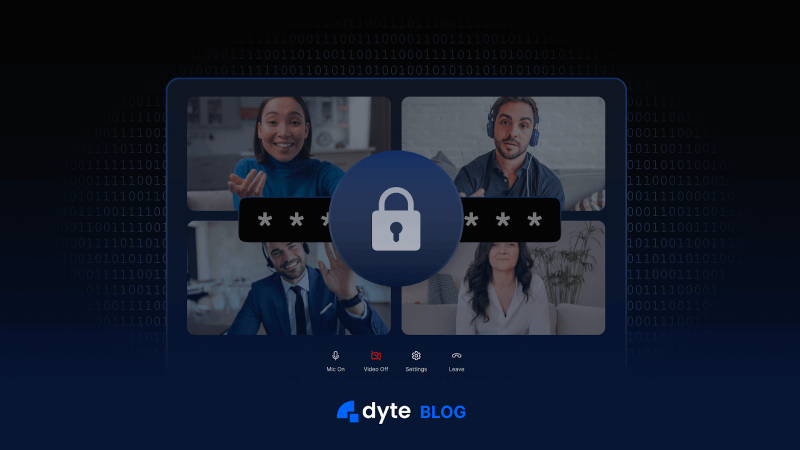
End-to-end Encryption
|
|
|
|
As we adopt end-to-end encryption
(E2EE) in WebRTC, we are taking a
big step towards better privacy
and security. Learn about the
mechanisms behind E2EE, its
standards, implementation
strategies, impact on performance,
and how it works with Dyte’s SDK.
|
|
|
|
Support for Audio-only export
|
|
You can now export audio files
directly from browser-based
recordings. This enhances
flexibility and convenience for
recording, post-meeting editing,
and playback, offering a seamless
user experience in various
formats.
|
|
Persist Chat
|
|
When dropping off and rejoining a
meeting, losing the earlier chat
context can be quite frustrating.
With Persist chat, participants
can now access the entire chat
history upon rejoining.
|
|
|
|
< Migrate to v2 API />
|
|
Dyte v2 REST API is now the
primary API. With v2 endpoints,
you can manage Dyte's
organizations, sessions, meetings,
recordings, webhooks, live
streaming, analytics, and an
enhanced developer experience.
|
|
Since we will be deprecating Dyte
v1 APIs soon, we strongly
recommend migrating to v2 if you
haven’t already done so.
|
|
|
|
|
|
< Upcoming />
|
|
Build custom UI with Flutter
|
|
Now build custom UIs with our
Flutter UI Kit, previously only
usable as a standalone pre-built
UI now you can build custom UI
with 10s of components and screens
exported individually.
|
|
|
|
< Must reads />
|
|
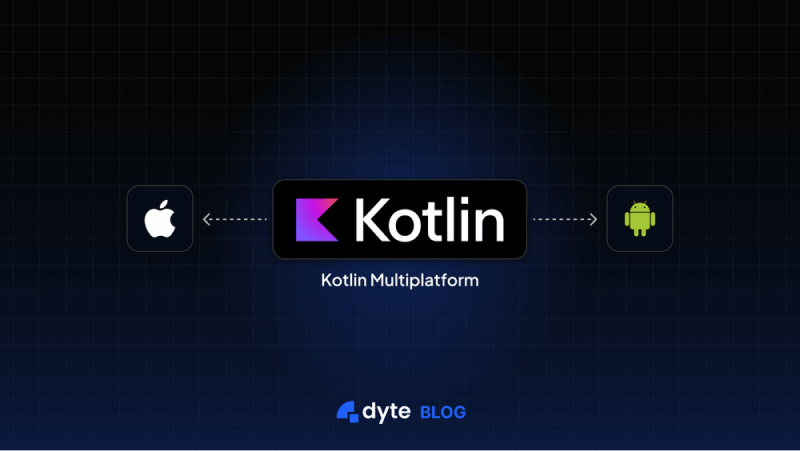
When we set out to build our
mobile SDKs at Dyte, we decided
early on to reuse as much code
between platforms as possible. It
would save us a lot of time and
effort not to implement everything
twice — once for iOS and then
again for Android.
|
|
At Dyte, we've seen firsthand the
benefits of Kotlin Multiplatform,
and here is our case for why
Kotlin MPP is an excellent tool
for efficient cross-platform
development.
|
|
|
|
|
|
|
|
< Updated Packages />
|
|
All the updates and improvements
are available in the latest
packages. So, if you haven't
already, we suggest you update to
the latest SDKs:
|
|
Web
|
|
|
|
Mobile
|
|
|
|
That's it for now.
|
|
We’ll see you soon next month with
a lot more exciting updates! So,
stay tuned 🙌
|
|
Happy Building 🚀
|